Pay in installments of $6.04 with
 ,
,
 and
and

Shipping Estimate
USA
- USA
- CAN
- USA
- CAN
Ships within 48 hours · Estimated delivery Jul 29 - Aug 3
 Promo Codes Available:
For Your Every Summer RSVP, with Code: SUMMER15
Description
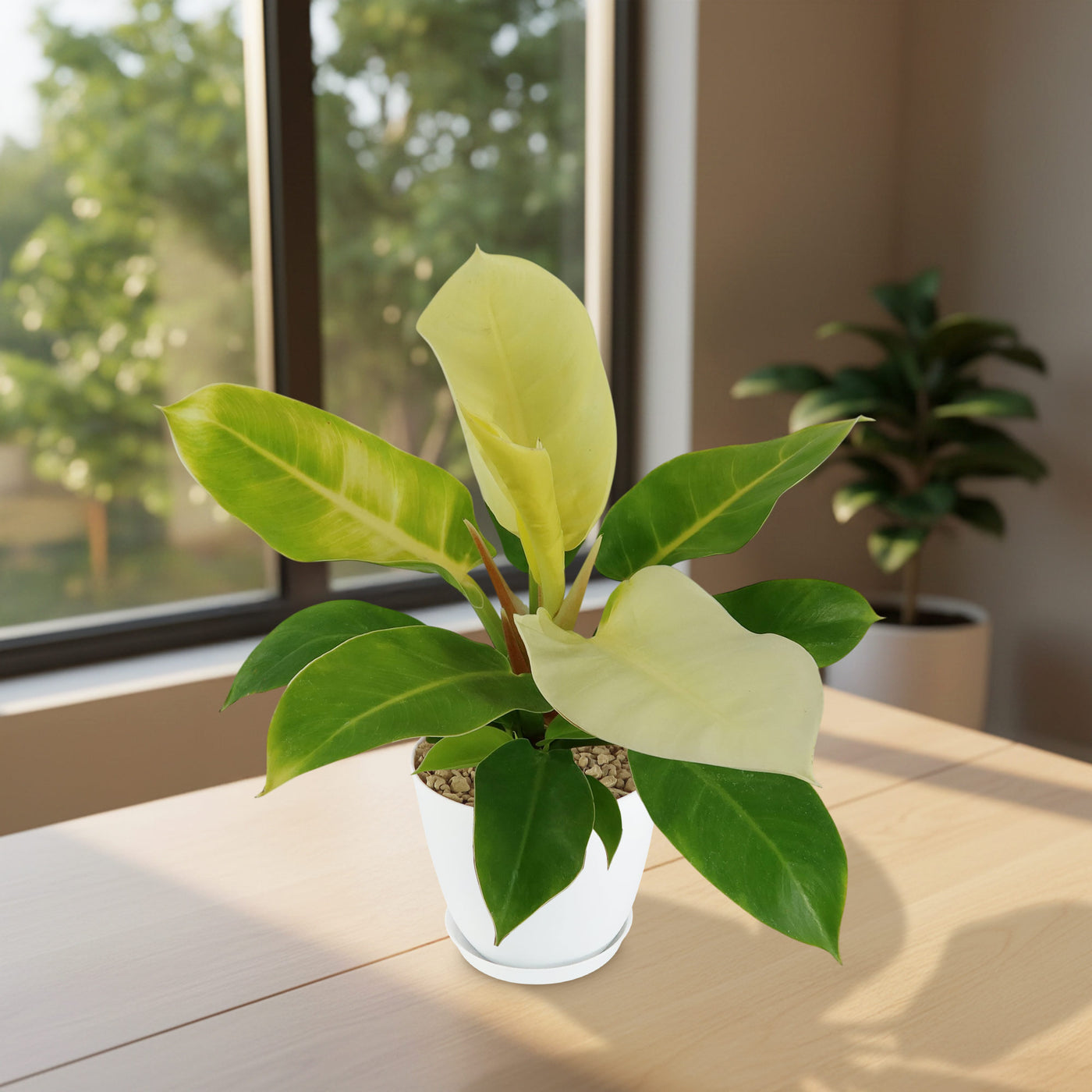
philodendron moonlight light requirements Shop 'Philodendron Moonlight Plant' Care & Growing GuideThe Moonlight Philodendron is a beautiful and popular houseplant that has fluorescent yellow leaves that add a pop of color to your home. It is a tropical hybrid characterized by glossy, color changing leaves that change from bright neon yellow to a brilliant green color. Native to South America, the name Moonlight was inspired by the plants stunning chartreuse to lime colored leaves, which reflect and catch light in a way that appears to glow, much
The Moonlight Philodendron is a beautiful and popular houseplant that has fluorescent yellow leaves that add a pop of color to your home. It is a tropical hybrid characterized by glossy, color-changing leaves that change from bright neon yellow to a brilliant green color.
Native to South America, the name “Moonlight” was inspired by the plant’s stunning chartreuse-to-lime-colored leaves, which reflect and catch light in a way that appears to glow, much like moonlight itself.
This plant is sometimes simply referred to as the “Moonlight Philodendron” or “Lemon Philodendron” due to its lemony hue.
The Philodendron Moonlight is a clump-forming, self-heading plant, meaning it doesn’t climb but rather grows in a bushy form.
This unique growth pattern makes it compact and well-suited for indoor settings. It typically reaches a mature size of about 4 feet tall and wide, though in optimal outdoor conditions, it can grow larger.
The leaves are broad, egg-shaped, and leathery in texture, giving the plant a lush and full look. New leaves emerge in bright yellow or lime green and gradually deepen to a medium green as they mature, providing a striking contrast on the plant itself.
While the flowers of Philodendron Moonlight rarely bloom indoors, mature plants may develop white or light green spathes, which resemble the blooms of peace lilies. These flowers are subtle compared to the plant’s foliage, but they add a unique touch to the plant when they do appear. To encourage flowering, the plant must have ample warmth, humidity, and light.
One of the most notable benefits of the Philodendron Moonlight is its air-purifying qualities. It helps to remove common indoor air pollutants, including formaldehyde and benzene, by absorbing these toxins and converting them into oxygen. Having this plant indoors can improve air quality, contributing to a healthier living environment. Its low-maintenance care requirements and compact size also make it a practical choice for offices, bedrooms, and small apartments.
It’s often used as an accent plant in homes and offices, bringing a pop of color to minimalist decor or complementing other green foliage in plant arrangements. Whether as a standalone statement or as part of a collection, this philodendron makes a striking addition that suits various aesthetic styles.
When and How to Water Your Moonlight Philodendron
The drought-tolerant Philodendron moonlight plant doesn't need a lot of water to thrive. This means you can let the soil dry out somewhat between waterings to prevent overwatering, which can lead to root rot. When watering your Philodendron Moonlight, make sure to water it thoroughly but allow the top inch or so of the soil to dry out before watering again.
In the spring and summer, during the growing season, your Philodendron moonlight may appreciate a bit more hydration typically every 1-2 weeks. You can increase the frequency of watering slightly during this period to support its growth. Water the plant when the top inch of soil feels dry to the touch, ensuring that excess water can drain out of the pot to prevent waterlogged soil.
During the fall and winter months when the plant is dormant, modify your watering schedule to correspond with its slower growth rate. During these cooler months, the Philodendron Moonlight will require less water typically once a month, so you can space out your watering sessions. Allow the soil to dry out a bit more between waterings, but still ensure the plant receives adequate hydration to maintain its health during the dormant period. By adjusting your watering routine based on the plant's growth stages, you can help your Philodendron Moonlight thrive throughout the year.
Light Requirements – Where to Place Your Philodendron moonlight
When grown indoors, the Philodendron moonlight plant enjoys bright, indirect light for at least 4-6 hours a day. It thrives in spaces with ample natural light but without direct sunlight, which can scorch its leaves. You can place your Philodendron Moonlight near a window where it can receive filtered sunlight or use sheer curtains to diffuse the light.
If your indoor space lacks natural light, you can supplement with artificial grow lights to meet the plant's light needs.
For outdoor cultivation, ensure it is in a location that offers bright, indirect light. Avoid exposing the plant to direct sunlight, especially during the intense midday sun, as this can cause sunburn on the leaves.
Providing a shaded spot with filtered sunlight or dappled shade can create an ideal outdoor environment for your Philodendron Moonlight to thrive.
Remember to monitor the plant's response to its new outdoor setting and adjust its placement if needed to optimize its light exposure.
Optimal Soil & Fertilizer Needs
The Moonlight Philodendron prefers well-drained soil to avoid root rot. A good mix for this plant is a well-aerated, peat-based potting mix that retains some moisture but allows excess water to drain away. Make sure the pot has drainage holes to let excess water escape. Instead, make or buy a well-draining potting mix, or ideally use our specialized potting mix, opens in a new tab that contains 5 natural substrates and mycorrhizae to promote the development of a strong root system that helps your plant to thrive.
In terms of fertilizing your moonlight plant, during the growing season in spring, you can feed it with a balanced NPK fertilizer once a year. This will provide the plant with essential nutrients to support its growth and keep its foliage vibrant. However, during the fall and winter months when the plant is in its dormant phase, you can reduce or stop fertilizing altogether since the plant's growth slows down during this time.
Remember not to over-fertilize your plant, as this can lead to mineral buildup in the soil, causing harm to the plant. Always follow the instructions on the fertilizer packaging and adjust the feeding schedule based on the plant's growth and the time of year.
Hardiness Zones & More
When growing indoors, this Philodendron plant thrives in typical indoor temperatures ranging from 65°F to 80°F. It's essential to avoid exposing the plant to sudden temperature fluctuations, drafts, or cold air, as this can stress the plant and affect its growth. Keeping the indoor humidity levels around 40% to 60% can create an ideal environment for your Philodendron Moonlight, preventing issues like dry leaf tips or yellowing.
For outdoor cultivation, it typically thrives in bright, indirect light in USDA zones 10 to 11, where temperatures are consistently warm. These zones generally experience mild winters and warm to hot summers, providing ideal conditions for tropical plants to flourish.
If you live in a region outside these zones but still want to grow this plant outdoors, consider using containers that can be moved indoors during colder months to protect the plant from frost or freezing temperatures.
Wildlife – Moonlight Plants Attracts the Following Friendly Pollinators
The Philodendron Moonlight plant can attract pollinators like bees, hummingbirds, butterflies, and insects with its beautiful foliage and sometimes flowers. These pollinators play a crucial role in the plant's reproduction process by transferring pollen from one flower to another, aiding in the production of seeds and fruits.
According to the ASPCA, the Moonlight Philodendron plant is considered mildly toxic to humans, cats, and dogs if ingested in large amounts. While touching the Moonlight Philodendron is safe, ingesting even a small bite can cause symptoms such as oral irritation, drooling, and mild discomfort. Eating larger amounts may lead to more severe symptoms, including vomiting and difficulty swallowing. Always wash your hands after handling the plant and keep it out of reach of pets and children.
How to Propagate Your Philodendron Moonlight
To propagate your Philodendron moonlight plant, you can use stem cuttings. Select a healthy stem with a few leaves and make a clean cut just below a node. Remove the lower leaves to expose the node. Place the cutting in water or a well-draining soil mix, ensuring the node is submerged or covered. Keep the cutting in a warm, humid environment with indirect light. Roots should start to develop in a few weeks. Once the roots are established, you can transplant the cutting into a pot with a potting mix suitable for Philodendrons. Regularly water the new plant and provide it with indirect light to help it thrive and grow into a mature Moonlight Philodendron.
Key Takeaways
- Philodendron Moonlight is celebrated for its vibrant, neon green to yellow leaves that appear to glow, especially under bright, indirect light. This unique color has earned it the name “Moonlight,” as its leaves resemble a soft, illuminated effect.
- Unlike many philodendrons, which are known for climbing or trailing, Moonlight is a self-heading variety. This means it grows in a compact, bushy shape rather than vining, making it ideal for indoor spaces where vertical space is limited.
- It has air-purifying properties, helping to remove toxins like formaldehyde from indoor environments. This can improve air quality, making it a practical choice for homes and offices.
- It is relatively drought-tolerant once established, able to go without water for short periods. While it prefers consistently moist soil, it can handle occasional dry spells, making it a resilient choice for plant owners who may occasionally forget a watering.
The Bottom Line
Overall, the Philodendron Moonlight is a visually striking and easy-care plant, perfect for adding vibrant color and life to any indoor space. With its glowing lime-green foliage and compact, self-heading growth habit, this philodendron is ideal for those looking to make a statement without needing extensive care. As a resilient, drought-tolerant plant, it thrives in bright, indirect light but can adapt to lower light conditions, making it suitable for various home or office settings. To keep it happy, provide well-draining soil and water when the top inch of soil feels dry, allowing it to dry out slightly between waterings. Additionally, its natural air-purifying abilities and relatively low maintenance needs make it an excellent choice for both new and experienced plant enthusiasts. With the Philodendron Moonlight, buyers can enjoy an attractive, low-maintenance plant that not only enhances their space but also contributes to a healthier indoor environment.
Shipping Notes
- Free Standard Shipping on $100+ Orders to the USA.
- Except Preorder products are shipped in 48 hours.
- Delivery to the USA:
- Standard Shipping : 3-10 business days
- If time is of the essence, please consider selecting expedited delivery for faster service.
Exchange/Return Notes
- We offer a 30-day return/exchange service after receiving.
- Final sale items are not eligible for returns or exchanges.
- To process your return/exchange, please contact us at [email protected]
- Please click here for more details>>> Return & Exchange Policy